Your Voicemail Graveyard: A Monument to Modern Avoidance
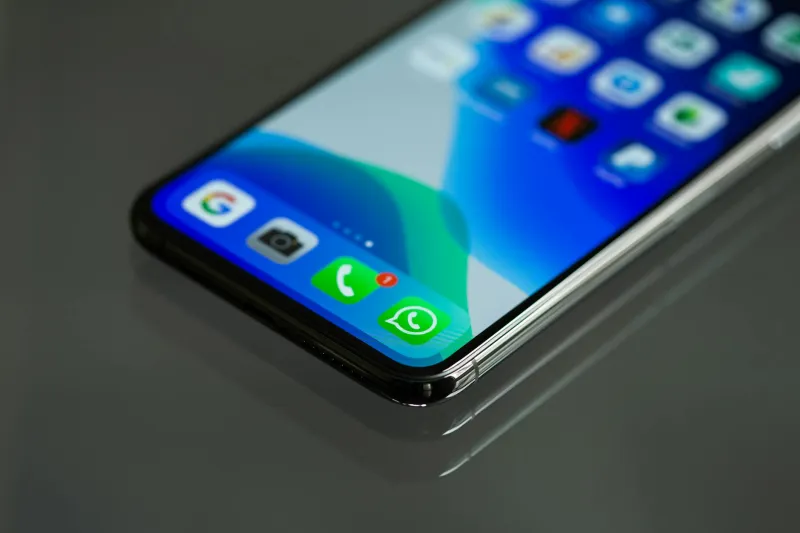
Let's talk about that little red number haunting your phone screen. You know the one. It sits there like a digital scarlet letter, growing larger each day, mocking your inability to perform the basic human function of listening to audio messages left by other humans.
Seventeen unread voicemails. SEVENTEEN. At this point, it's not just procrastination—it's a lifestyle choice.
The Birth of Digital Dread
It started innocently enough. One voicemail from a number you didn't recognize. "I'll check that later," you told yourself, the same way you tell yourself you'll start eating salads "tomorrow." But then life happened, and by life, I mean you got distracted by a TikTok about cats who look like celebrities.
Now that single voicemail has multiplied like digital rabbits, and you're living in a constant state of low-level anxiety about what mysteries those messages might contain. Could be your doctor with test results. Could be your grandmother with important family news. Could be a telemarketer trying to reach you about your car's extended warranty for the 847th time.
The problem is, you'll never know, because listening to voicemails requires a level of emotional courage you simply don't possess.
The Rationalization Olympics
You've become an Olympic-level athlete in the sport of voicemail avoidance. Your mental gymnastics routine is truly impressive:
"If it was really important, they would have texted."
"If it was urgent, they would have called back."
"If it was life-or-death, they would have shown up at my door."
"If it was about money I owe, I definitely don't want to know."
You've convinced yourself that voicemail is basically an outdated technology anyway. Who leaves voicemails in 2024? It's like sending a telegram or using a rotary phone. Clearly, anyone leaving voicemails is stuck in the past and probably doesn't have anything important to say anyway.
Except... what if they do?
The Existential Terror of Unknown Information
Here's where things get philosophically dark. Those seventeen voicemails represent seventeen potential realities you're choosing to avoid. Schrödinger's messages, if you will. As long as you don't listen to them, they exist in a quantum state of possibility.
Maybe one of them is your dream job calling you back. Maybe another is someone telling you that you've inherited money from a distant relative. Maybe one is your friend confirming plans for that thing you definitely forgot about and are now going to miss.
But maybe—and this is the fear that keeps you awake at night—maybe one of them contains information that will fundamentally change your life, and you're just... not dealing with it. You're living in willful ignorance, which is honestly kind of impressive in its own dysfunctional way.
The Voicemail Transcription Tease
Modern phones have added a special kind of torture to this experience: voicemail transcription. Now you can see a garbled, AI-generated approximation of what people said, which somehow makes everything worse.
"Hi this is [UNINTELLIGIBLE] calling about your [UNINTELLIGIBLE] please call back regarding [UNINTELLIGIBLE] important [UNINTELLIGIBLE] deadline tomorrow."
Great. Now you know it's important AND involves a deadline, but you still have no idea what it actually is. It's like being given a jigsaw puzzle with half the pieces missing and being told your future depends on solving it.
The transcription feature was supposed to make voicemails more convenient, but instead, it's created a new category of anxiety: the partial information panic attack.
The Social Implications of Voicemail Neglect
Your friends and family have started to catch on to your voicemail avoidance strategy. They've adapted their communication methods accordingly, which means you've successfully trained the people in your life to never expect you to listen to voice messages.
This should feel like a victory, but instead, it feels like you've failed at a basic adult responsibility. You're the person people know not to leave important information for via voicemail. You've become unreliable in a very specific, very modern way.
Someone probably tried to invite you to a wedding six months ago via voicemail, gave up when you didn't respond, and you missed the whole thing. There's a parallel universe where you're in all the photos, having a great time, but in this universe, you're just the person who doesn't listen to voicemails.
The Great Voicemail Purge (That Will Never Happen)
You've fantasized about it: sitting down with a cup of coffee on a Sunday morning and just powering through all seventeen messages. You'll listen to each one, take notes, return important calls, and emerge as a functional adult who handles their communications responsibly.
But let's be honest—this will never happen. By the time you work up the courage to tackle your voicemail backlog, you'll have thirty-four messages, and the task will seem even more insurmountable. It's like a digital snowball rolling downhill, getting bigger and more intimidating with each passing day.
The Acceptance Phase
Eventually, you reach a zen-like acceptance of your voicemail situation. Those seventeen messages aren't going anywhere, and neither is your complete inability to deal with them. They've become part of your phone's ecosystem, like digital furniture that you've grown accustomed to walking around.
You've made peace with the fact that you'll probably die with unlistened voicemails on your phone. Future archaeologists will study your digital remains and conclude that early 21st-century humans had a bizarre relationship with asynchronous audio communication.
And you know what? That's okay. You're not alone in this. Somewhere out there, millions of other people are staring at their own voicemail notifications, feeling the same mixture of anxiety and apathy that you feel.
We're all just stumbling through this modern life together, avoiding our voicemails and pretending that's a totally normal way to exist. And maybe, just maybe, that's the most human thing of all.