The Message You've Rewritten Seventeen Times Is Still Wrong
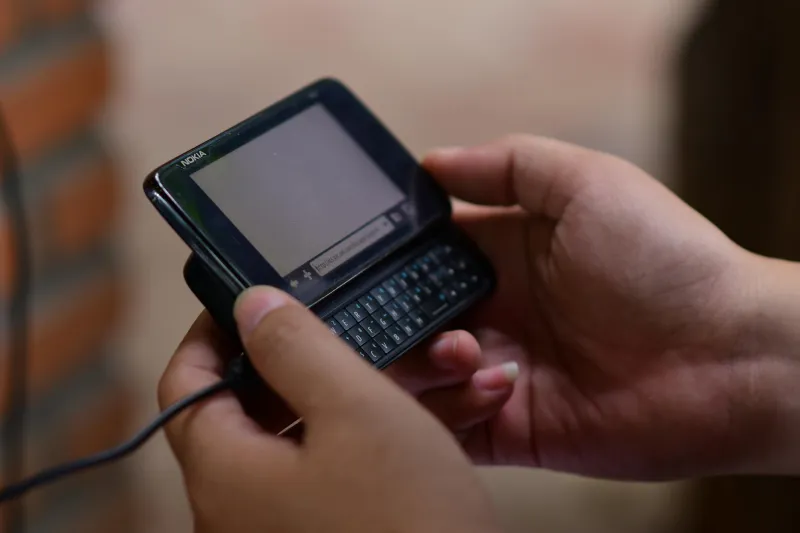
The Setup: A Perfectly Normal Request
Someone texts you: "Hey, want to grab lunch tomorrow?"
This is straightforward. This is easy. This requires a simple affirmation. "Yes." Four letters. Done. Send it. Move on with your life.
But you don't. Instead, you type: "Sounds good!"
Then you pause.
Does "sounds good" sound too casual? Does it sound like you're not actually interested, just being polite? What if they think you're being passive-aggressive? What if the exclamation point makes you seem manic? You delete it.
Revision One: The Attempt at Enthusiasm
You try: "Yeah, sounds great!"
Two exclamation points feels like overkill. You remove one. Now it reads: "Yeah, sounds great."
But now it sounds cold. Like you've resigned yourself to lunch the way someone resigns themselves to a root canal. You add the exclamation point back. But you move it to a different position: "Yeah! Sounds great."
No. That makes it seem like you're excited about "yeah" specifically, as if you've just discovered the word and can't contain your joy. Delete.
Revision Two: The Emoji Deliberation
Maybe you need an emoji. Emojis soften the blow of casual text. They add warmth. They communicate tone that your words apparently cannot.
You type: "Sounds good! 👍"
The thumbs up seems professional. Appropriate. But also slightly robotic. Like you're a manager approving a memo, not a human confirming lunch with another human.
You try: "Sounds good! 😊"
The smiley face is friendlier, but now it feels like you're trying too hard. Like you're overcompensating for something. You delete the emoji entirely.
"Sounds good!"
There. Clean. Simple. Perfect.
Except now it's too plain. It's cold. It's the textual equivalent of a handshake when a hug would suffice. You add an emoji back: "Sounds good! 🙌"
Raised hands. Celebratory. Yes. This communicates that you're genuinely excited about lunch, not just tolerating it for social reasons.
But wait—are raised hands weird? Is that a weird emoji to use for lunch confirmation? You've never seen anyone use raised hands for lunch. You're pioneering new emoji territory, and you're not confident in your choices.
Revision Three: The Tone Recalibration
You start over: "Absolutely! What time?"
Now you're being proactive. You're showing interest. You're asking follow-up questions. This is the behavior of someone who genuinely wants to eat food with another person, not someone who's just going through the motions.
But is it too much? You've added a whole second sentence. Now you're committed to a conversation. Now there's momentum. What if they don't want momentum? What if they just wanted a simple yes or no?
You delete the second sentence: "Absolutely!"
One word. One exclamation point. Bold. Confident. You're absolutely in. No hesitation. No qualifications.
Except "absolutely" feels a bit formal. Like you're accepting a business proposal, not lunch with a friend. You change it to: "For sure!"
"For sure" is casual. It's cool. It's the kind of thing a person who has their life together would say.
Revision Four: The Capitalization Crisis
Should it be capitalized? "For sure!" looks fine. But what about the beginning of the message? Should there be a greeting?
"Hey! For sure!"
Now you're adding words that don't need to be there. You're inflating a simple response into a full conversation. Delete the greeting.
"For sure!"
There. But now you're worried that you're being too brief. What if they think you're mad at them? What if your brevity is being interpreted as coldness?
You add: "For sure! Sounds good."
Now you're repeating yourself. "For sure" and "sounds good" mean the same thing. You're being redundant. You're overthinking this to an absurd degree.
Revision Five: The Final Descent
You go back to basics: "yes"
No punctuation. No emoji. Just the word. Minimalist. Zen. Honest.
But it looks angry. It looks like the response you'd give to someone you're in a fight with. It looks like you're saying "yes" through gritted teeth.
You add a period: "yes."
Now it's definitely angry. You add an exclamation point: "yes!"
Now it's manic. You try a question mark out of sheer desperation: "yes?"
That's not even a real response. That's you questioning whether you want lunch. Which you do. You definitely do.
You go back to: "Sounds good!"
Twenty minutes have passed. You've written and deleted approximately fourteen variations of the same message. You've second-guessed every punctuation choice. You've questioned the appropriateness of every emoji. You've analyzed the psychological implications of capitalization.
You hit send.
The Punchline
They respond four seconds later: "k"
One letter. No punctuation. No emoji. No emotional subtext whatsoever. Just "k."
And you realize that you've spent two-thirds of an hour constructing the perfect response to someone who communicates in single letters. You've composed a symphony while your audience prefers a kazoo.
You tell yourself that next time, you'll just type "yes" and send it immediately. No revisions. No overthinking. Just pure, unfiltered authenticity.
Next time comes. You type "yes." You pause. You delete it. You type "sounds good!" and immediately regret it.
The cycle continues. It always does.