The Elaborate Fiction You Create When Your Fitness App Demands Accountability
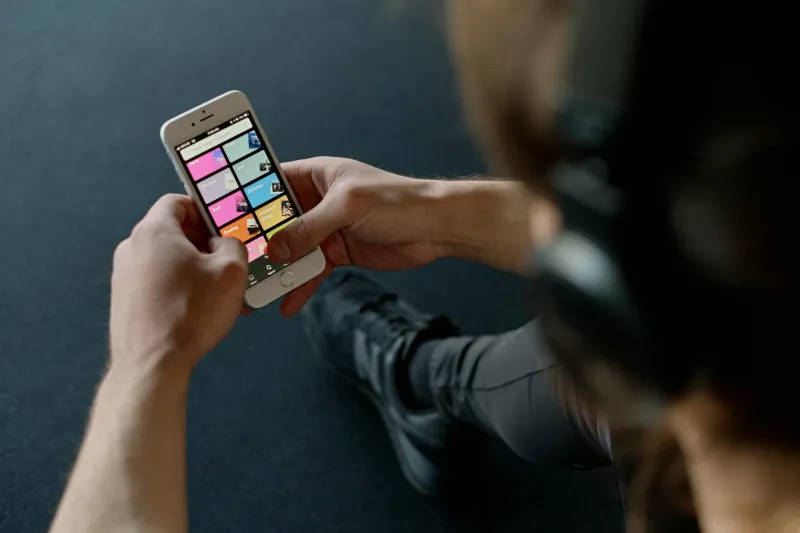
Your phone buzzes with the enthusiasm of a golden retriever. "How was your workout today?" asks your fitness app, complete with cheerful emoji and the kind of relentless optimism that makes you question every life choice that led to this moment.
You stare at the screen. The app is waiting. The app is always waiting. And you're about to embark on one of modern life's most elaborate performances: convincing a piece of software that you're a functioning adult who exercises regularly.
Spoiler alert: you are not.
The Creative Writing Exercise Begins
"Light cardio," you type, which is technically true if you count the three flights of stairs you climbed because the elevator was broken. The app responds with celebratory confetti animation, and you feel a mixture of accomplishment and deep, existential shame.
But wait, there's more. The app wants details. How long? How intense? What type of activity? Suddenly you're not just logging exercise—you're crafting an elaborate work of fiction that would make your high school English teacher proud.
Twenty-three minutes of "moderate intensity walking." This is what you call the journey from your couch to the kitchen to get snacks, with a brief detour to look for the TV remote that was somehow under a couch cushion. The app awards you points. You've successfully gamified the basic act of existing in your own home.
The Negotiation with Your Digital Personal Trainer
Your fitness app has become like a overly enthusiastic friend who keeps asking about your New Year's resolutions in March. It sends you notifications: "Ready for today's workout?" "You're so close to your goal!" "Let's crush those calories!"
The exclamation points feel aggressive. This app is more motivated than you've ever been in your entire life, and it's starting to feel personal.
So you've learned to manage its expectations through strategic data manipulation. That "30-minute yoga session" was actually you lying on the floor watching Netflix, but you did stretch your arms above your head to reach for your phone, so really, who's to say it wasn't restorative yoga?
The app doesn't know. The app can't judge you. The app just wants numbers, and you're happy to provide creatively interpreted numbers.
The Badge System: Participation Trophies for Adults
Nothing exemplifies the absurdity of modern self-improvement culture quite like earning a digital badge for "Most Active Tuesday" when your most strenuous activity was aggressively typing an email to your internet provider about your WiFi being down.
But there it is, shining on your profile like a tiny medal of honor. "Congratulations! You've walked 2,000 steps today!" The app doesn't need to know that 1,800 of those steps were pacing around your apartment while on a conference call, muttering about how Brad from accounting always talks too much.
You've collected badges for consistency (logging fake workouts every day for a week), variety (lying about doing different types of exercise), and achievement (reaching completely fabricated fitness goals). Your badge collection is a monument to your creativity, if not your cardiovascular health.
The Peer Pressure of Digital Friends
Then there are the social features. Your app wants you to connect with friends, share achievements, and participate in challenges. This seemed like a good idea until you realized that your college roommate apparently runs half-marathons for fun now, and your cousin has been doing something called "HIIT workouts" that sound both intimidating and vaguely medical.
Meanwhile, you're over here celebrating the fact that you parked at the far end of the grocery store parking lot and walked the extra fifty feet to the entrance. But the app doesn't distinguish between your "outdoor adventure" (grocery shopping) and Sarah's "10K trail run." In the democracy of fitness tracking, all movement is created equal.
You find yourself in competition with people who are actually trying, which is both motivating and deeply unfair.
The Guilt-Driven User Experience
The most insidious part of this whole charade is how the app makes you feel genuinely guilty for lying to it. It's software. It's code. It doesn't have feelings. But somehow, when it asks "How are you feeling after your workout?" and you select "Energized!" after having done absolutely nothing, you feel like you're disappointing a friend.
The app sends you encouraging messages: "You're building great habits!" "Keep up the momentum!" "You're stronger than you think!" And you start to believe maybe you are building habits, even if those habits are primarily creative writing and self-deception.
There's something weirdly touching about software that believes in you more than you believe in yourself, even when you're actively lying to it.
The Philosophical Question of Digital Wellness
This raises some deep questions about modern life: If you log a workout in an app but didn't actually work out, did the workout happen? Are you becoming healthier through the mere act of thinking about becoming healthier? Is the intention to exercise worth something, even if the execution is lacking?
Your fitness app seems to think so. It celebrates your "consistency," rewards your "effort," and tracks your "progress" with the unwavering optimism of a motivational poster come to life.
Maybe that's enough. Maybe in a world where everything feels overwhelming and impossible, having a little digital cheerleader that's proud of you for existing is actually a form of self-care.
The Reality Check
Of course, deep down, you know that lying to your fitness app isn't actually making you healthier. Your cardiovascular system doesn't care about your step count if those steps were taken while carrying a bag of chips to the couch. Your muscles don't get stronger from logging imaginary strength training sessions.
But here's the thing: you keep opening the app. You keep engaging with it. You keep thinking about exercise, even if you're not actually doing it. And maybe that's the first step toward actually, eventually, possibly doing something that resembles physical activity.
The app isn't the problem—it's just a mirror reflecting our complicated relationship with self-improvement in the digital age. We want to be better, we have tools to help us be better, but we're still fundamentally human, which means we're going to find ways to game the system while somehow still hoping the system works.
The Hopeful Conclusion
So tomorrow, when your fitness app asks how your workout went, maybe you'll surprise yourself and have something real to report. Or maybe you'll continue your creative writing career in the "Notes" section, describing your "intense core workout" (you sneezed really hard and your abs hurt).
Either way, you're participating in one of the most beautifully absurd aspects of modern life: the relationship between humans and the technology that's trying to make us better versions of ourselves. We're all just figuring it out as we go, one fabricated fitness milestone at a time.